Understanding the Dopamine Loop: A Path to Mindful Living
The modern world is a complex web of digital interactions, social media, and instant gratification. In this chaotic landscape, we often find ourselves caught in a never-ending loop of seeking pleasure and reward. This is the Dopamine Loop, a neurological feedback loop that drives us to repeat behaviors that release dopamine, a neurotransmitter associated with pleasure, motivation, and reward.
The Anatomy of the Dopamine Loop
Adopamine molecule is a simple catecholamine consisting of a benzene ring with two hydroxyl side groups and an amine group attached via an ethyl chain. This molecule plays a crucial role in the brain's reward system, triggering a feedback loop that reinforces certain behaviors.
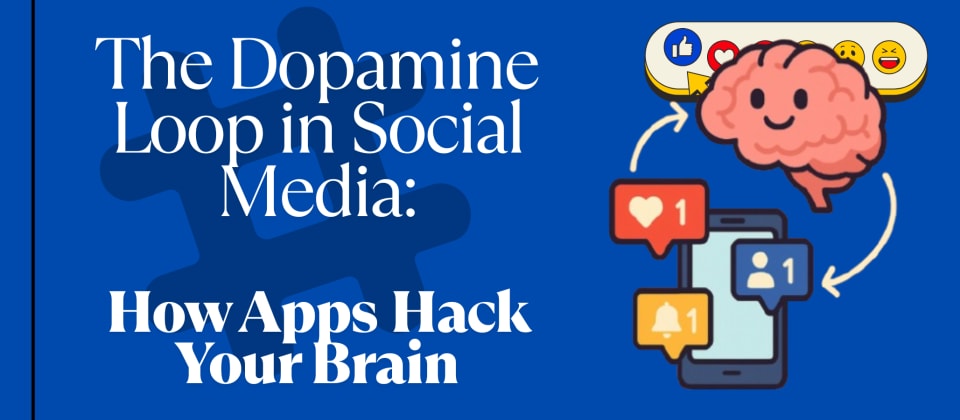
- When we engage in activities that release dopamine, our brain associates these actions with pleasure and reward.
- We repeat these behaviors to experience the feel-good effects of dopamine release.
- The repeated stimulation of dopamine release creates a feedback loop, driving us to continue seeking out behaviors that give us a sense of pleasure and reward.
The Dopamine Loop in Modern Life
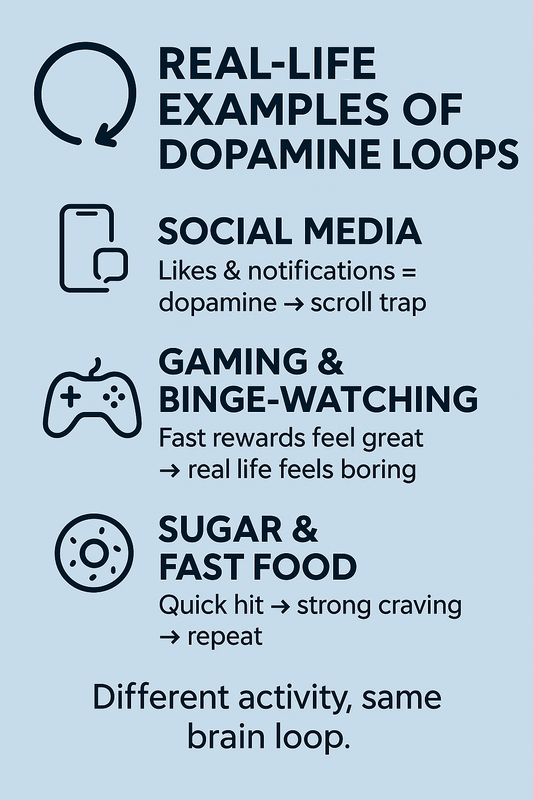
Today, we can see the Dopamine Loop at play in various aspects of our lives, from social media and online interactions to addictive behaviors and substance abuse. Researchers have identified key characteristics of the Dopamine Loop, including:
- Variable Reinforcement Schedules: Behaviors are reinforced at irregular intervals, creating a sense of uncertainty and anticipation.
- Escalating Loop of Craving, Engagement, and Relief: The brain becomes increasingly dependent on the behavior, seeking more frequent and intense stimulation.
- Self-Perpetuating Circuit: The feedback loop drives future behaviors, creating a cycle of craving and reward.
Breaking Free from the Dopamine Loop
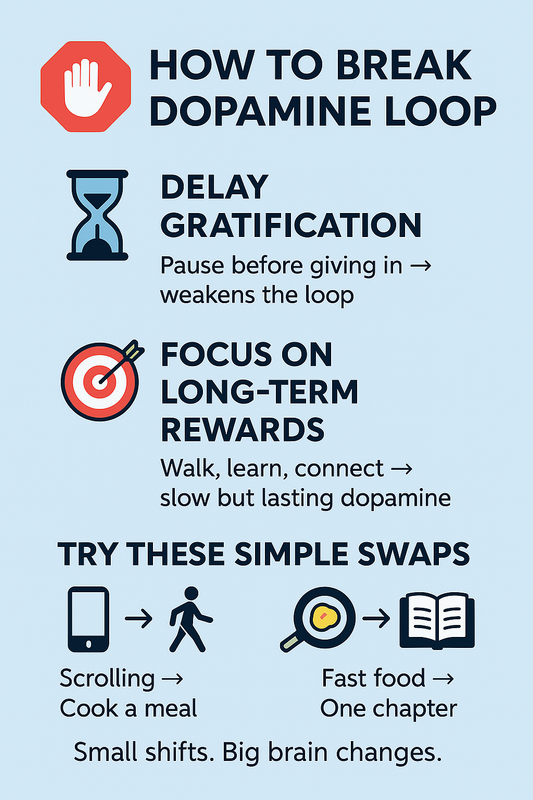
Recognizing the Dopamine Loop is the first step towards breaking free from its grasp. Here are some strategies to help you regain control:
- Set Boundaries: Establish limits on digital interactions and aim to reduce screen time.
- Find Alternative Rewards: Engage in activities that give you a sense of purpose and accomplishment, releasing dopamine in a healthier, more sustainable way.
- Practice Mindfulness: Be aware of your thoughts and behaviors, recognizing when you're caught in the Dopamine Loop and making a conscious effort to break free.
Conclusion
The Dopamine Loop is a powerful force in modern life, driving our behaviors and influencing our interactions. By understanding its mechanisms and strategies for breaking free, we can take control of our lives and develop healthier habits. Remember, it's time to reboot and renew our relationship with dopamine – let's create a more mindful, balanced reality.
Join the conversation: Share your experiences and insights with the Dopamine Loop in the comment section below.
How to Reset Your Dopamine System
When you experience dopamine deficiency, you may feel tired, unmotivated, and unhappy. In this article, we'll explore how to reset your dopamine system and create healthier habits.
Why is Dopamine Important?
When you have healthy amounts of dopamine, you feel happy, motivated, and focused. If your dopamine levels are low or unbalanced, you may experience: * Tiredness * Unmotivation * Unhappiness * Memory loss * Mood swings * Sleep and concentration issues * Low sex drive
How to Reset Your Dopamine System
Here are some natural tips to help you reset your dopamine system:
- Get Enough Sleep: Adequate sleep is crucial for maintaining healthy dopamine levels.
- Exercise Regularly: Engage in physical activities that release endorphins, a natural mood booster.
- Eat a Balanced Diet: Focus on whole, nutrient-dense foods that support dopamine production.
- Practice Mindfulness: Stay present and aware of your thoughts and behaviors, recognizing opportunities to make healthier choices.
Conclusion
Reseting your dopamine system is a journey that requires patience, self-awareness, and intentional effort. By incorporating these natural tips into your routine, you can regain balance and create a healthier relationship with dopamine.









![Has anyone tried this? [dopamine detox] - Art of Memory Forum](https://slideplayer.com/slide/13094232/79/images/57/Basal+ganglia+loops+More+detailed+view+of+the+thalamo-striato-cortical+loops..jpg "Has anyone tried this? [dopamine detox] - Art of Memory Forum")