Best Ways to Secure Your Online Accounts
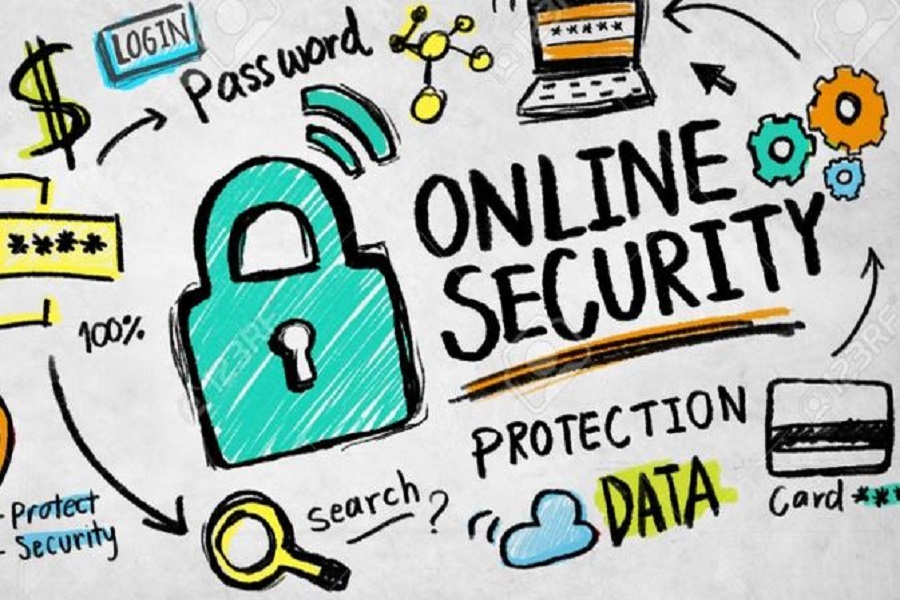
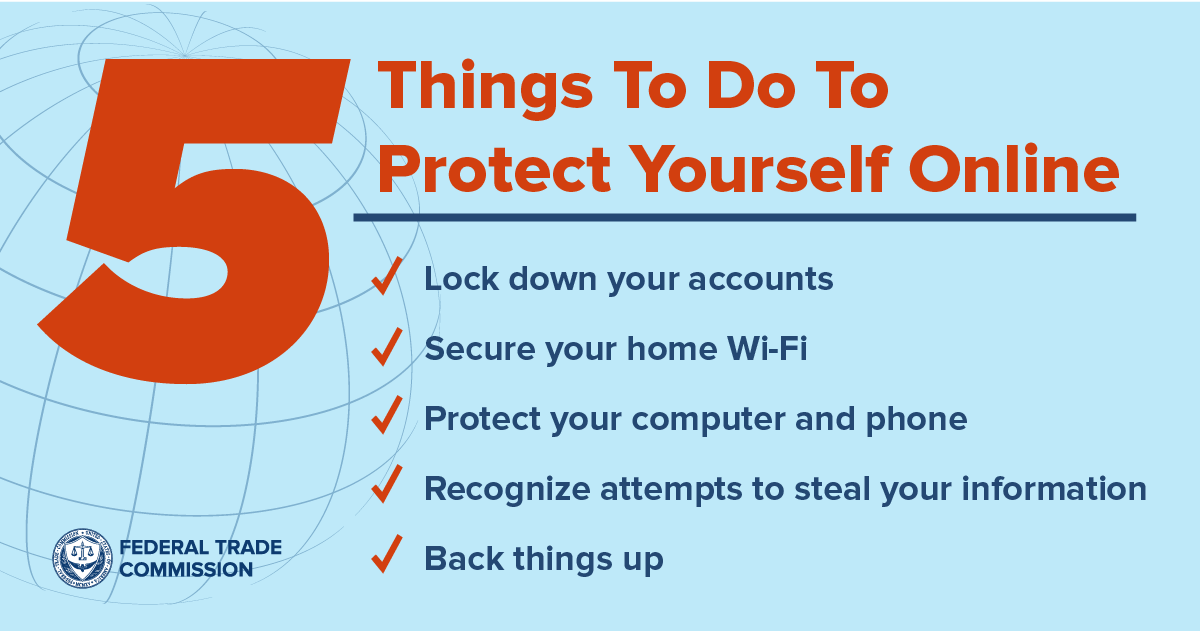
In today's digital age, protecting your online accounts is more important than ever. With the rise of cyber threats and data breaches, it's essential to take proactive measures to safeguard your personal and financial information. In this article, we'll discuss the best ways to secure your online accounts and prevent unscrupulous individuals from accessing your sensitive data.
Understanding the Risks
Most account takeovers start with weak or compromised passwords. According to the Secret Service, using weak passwords can lead to account takeovers and expose your personal data to malicious actors. This emphasizes the need for robust password protection and multi-factor authentication (MFA).
Using Strong Passwords
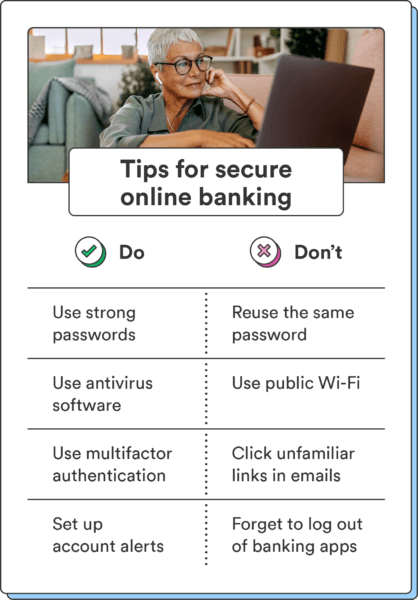
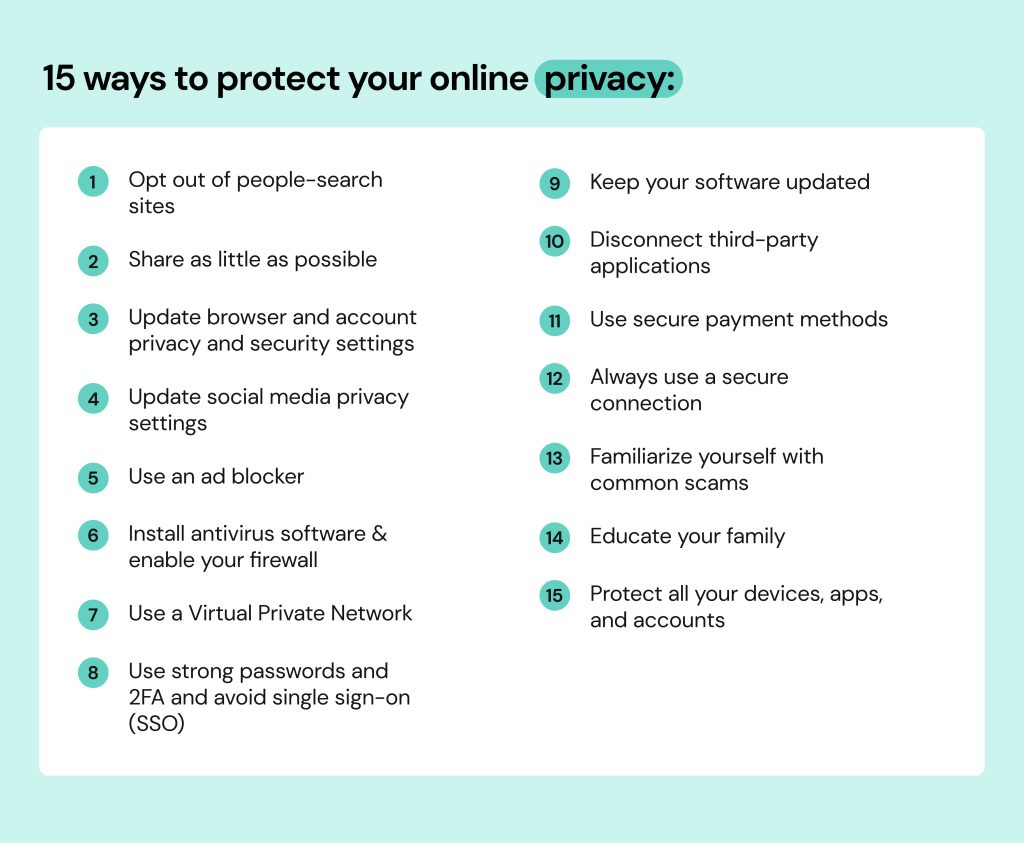
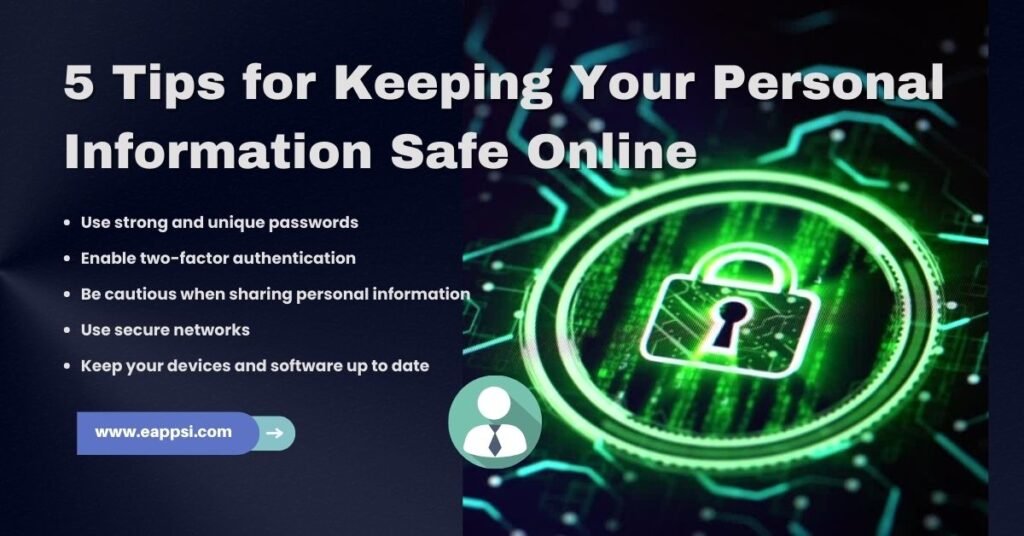
A strong password is the first line of defense against cyber threats. It should be unique, complex, and difficult to guess. Avoid using easily guessable information like your name, birthdate, or common words. Instead, opt for a combination of uppercase and lowercase letters, numbers, and special characters. Consider using a password manager to generate and store unique, complex passwords for each account.
Implementing Multi-Factor Authentication
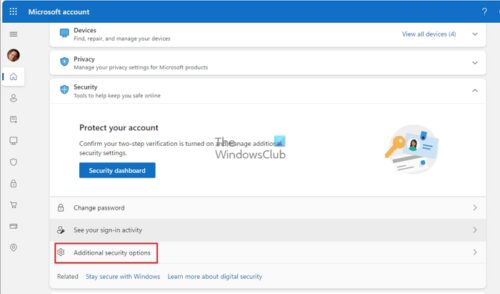
Two-factor authentication (2FA) adds an extra layer of security to your online accounts. This involves verifying your identity using a second form of verification, such as a code sent to your phone or a biometric scan. 2FA significantly reduces the risk of account takeovers and phishing attacks. Enable 2FA for all your accounts, especially those containing sensitive financial or personal information.
Using a VPN
A Virtual Private Network (VPN) encrypts your internet traffic, protecting your online activities from prying eyes. A VPN masks your IP address and location, ensuring that you remain anonymous online. Consider using a VPN service when accessing public Wi-Fi networks or engaging in sensitive online activities like online banking or shopping.
Monitoring Account Activity
Regularly monitor your account activity to detect suspicious transactions or unauthorized access. Set up account alerts to notify you of any unusual activity, and promptly investigate any discrepancies. This helps you respond quickly to potential security breaches and minimize the damage.
Keeping Software Up-to-Date
Stay on top of software updates to ensure you have the latest security patches and features. Outdated software can leave your online accounts vulnerable to cyber threats, so make it a habit to update your operating system, browser, and other applications regularly.
Using Two-Step Verification
Two-step verification adds an additional layer of security to your online accounts by requiring you to provide a second form of verification, such as a code sent to your email or phone. This makes it more difficult for unauthorized individuals to access your account.
Regularly Changing Passwords
Change your passwords regularly to prevent account takeovers. Aim to change your passwords every 60 to 90 days, or sooner if you notice any suspicious activity. Use a password manager to generate and store unique, complex passwords for each account.
Being Cautious with Phishing Emails
Phishing emails can trick you into revealing sensitive information or clicking on malicious links. Be cautious when receiving emails that ask for personal or financial information, and never click on links or download attachments from unfamiliar email addresses. Verify the authenticity of emails by contacting the sender directly, and report suspicious emails to your email provider.
Best Practices for Online Account Security
- Use strong, unique passwords for each account.
- Enable multi-factor authentication (MFA) for all accounts.
- Use a VPN to encrypt your internet traffic.
- Regularly monitor account activity and set up account alerts.
- Keep software up-to-date with the latest security patches and features.
- Use two-step verification for added security.
- Regularly change passwords to prevent account takeovers.
- Be cautious with phishing emails and verify their authenticity.
Conclusion
Securing your online accounts requires a multifaceted approach, involving robust password protection, multi-factor authentication, and vigilance against cyber threats. By implementing these best practices, you can significantly reduce the risk of account takeovers and protect your personal and financial information. Stay informed, stay vigilant, and stay secure online!